

Quick Field Answer: Dog Photography Tips
Capturing expressive dog photos requires dropping to eye level, locking focus on the nearest eye, and using fast shutter speeds. For action shots, set shutter speed to 1/1600s with continuous autofocus. For portraits, use open shade and natural treats to trigger natural head tilts.
Dog Photography Tips: 7 Field Rules for Expressive Action & Portraits
Table of Contents
- Why Lower Perspective Transforms Outdoor Dog Portraits?
- Action vs Portrait Settings Comparison Table
- How Can You Maintain Sharp Focus on Moving Dog Eyes?
- Essential Dog Photography Tips for High-Speed Action
- Which Outdoor Lighting Setup Prevents Harsh Fur Shadows?
- What Treats and Sounds Trigger Natural Head Tilts?
- How Can You Ensure Safety During Off-Leash Action Shoots?
- Field Checklist for Action Dog Photography Shoots
- Frequently Asked Questions
Why Lower Perspective Transforms Outdoor Dog Portraits?
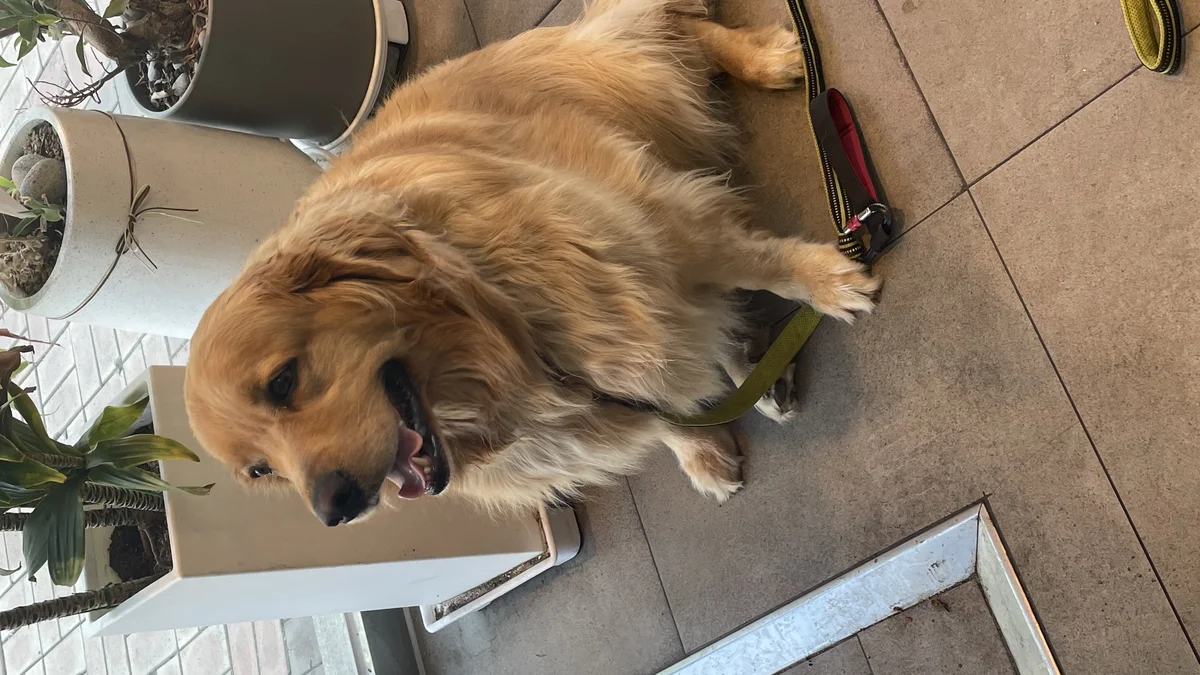
Lowering your camera perspective to eye level creates immediate emotional intimacy in dog portraits. Shooting from human standing height compresses your subject against flat ground. Dropping to knee or stomach level separates your dog from distant backgrounds, producing smooth bokeh and natural eye contact.
Perspective changes everything. When photographers stand tall and point their lens downward, dogs appear smaller within chaotic ground backgrounds. By crouching down or lying flat on the grass, you enter the animal’s world. This simple physical shift opens up background depth, allowing distant trees and park lawns to melt into soft, pleasing blur. It creates impact instantly!
Mastering ground level mechanics is a core recommendation across our broader pet photography tips and tutorials. When shooting low, tilt your camera LCD screen out so you can compose comfortably without straining your neck. Getting low also makes timid dogs feel far more comfortable around large camera lenses. Experience shows!
Ground level shooting exposes rich foreground textures like dew-covered grass or fall leaves. These subtle foreground elements frame your subject beautifully, drawing viewer attention straight to the dog’s eyes. Try it today.
Action vs Portrait Settings Comparison Table
Field needs vary between quiet portraits and high-energy sprint sessions. Use this comparison table to quickly dial in appropriate camera parameters:
| Setting / Technique | Action Sprint Sessions | Resting Portrait Sessions | Field Rationale |
|---|---|---|---|
| Shutter Speed | 1/1600s – 1/2500s | 1/250s – 1/500s | Action requires high speed to freeze paw motion; portraits focus on low ISO. |
| Autofocus Mode | Continuous (AF-C / AI Servo) | Single Shot (AF-S) or Eye AF | Continuous tracking recalculates distance 30 times per second during motion. |
| Drive Mode | High-Speed Continuous Burst | Single Frame or Low Burst | Burst capture captures peak leg extension and splash dynamics. |
| Aperture Setting | f/4 – f/5.6 | f/1.8 – f/2.8 | Slightly narrower aperture provides focus margin for moving snouts. |
| Light Preference | Bright Open Daylight | Open Shade / Soft Sun | Action needs high illumination to sustain fast shutter speeds. |
How Can You Maintain Sharp Focus on Moving Dog Eyes?
Maintaining sharp focus on moving dog eyes requires combining Animal Eye Auto-Focus with continuous tracking modes. Long dog snouts often trick standard autofocus points into locking on nose leather rather than eyes. Animal Eye AF locks focus on the pupil, keeping eyes crisp.
Focus accuracy makes or breaks a pet portrait. If your camera locks onto a dog’s wet nose, their eyes can fall into soft out-of-focus blur when shooting with wide apertures like f/2. Modern camera systems feature dedicated animal eye detection algorithms that continuously track eyes across the frame.
When capturing high-speed runs, review our dedicated guide on shutter speed for animals to ensure shutter velocity matches your autofocus speed. If your shutter speed drops too low, even perfect eye autofocus tracking cannot prevent movement blur. Fast shutter speed combined with eye tracking produces razor-sharp results consistently. Sharpness is king!
Essential Dog Photography Tips for High-Speed Action
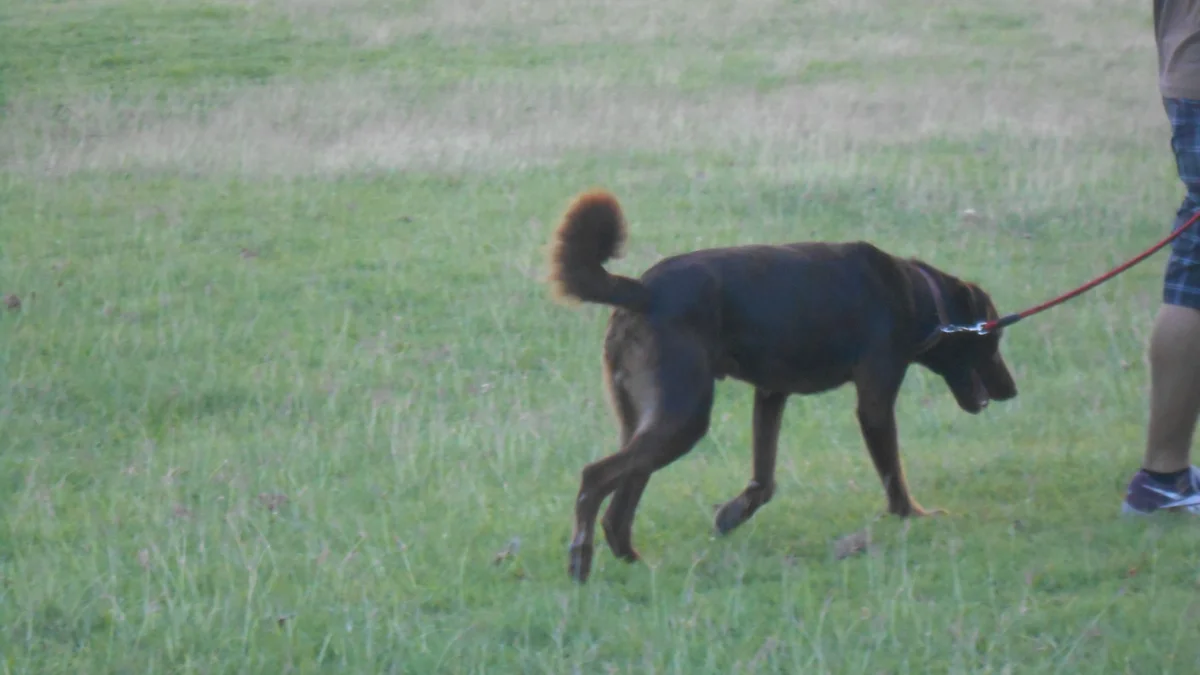
Capturing sprinting dogs demands precise field preparation and gear awareness. Implementing these core dog photography tips ensures high hit rates during energetic outdoor fetch and agility sessions:
- Select telephoto focal lengths: Lenses in the 85mm to 200mm range allow you to stay far enough back so dogs can run naturally without bumping into your camera gear.
- Pre-focus on tracking lanes: If your dog is running toward a frisbee, pre-focus on a patch of grass ahead of time to lock initial tracking.
- Use back-button focus: Separating autofocus activation from the shutter button prevents accidental focus hunting when pressed mid-sprint.
- Keep both eyes open: Looking outside the viewfinder with your non-shooting eye helps anticipate sudden directional leaps.
Field practice builds muscle memory. By practicing panning motions on active park dogs, you train your hands to stay steady while holding heavy telephoto glass. Combining these action strategies with our foundational pet photography field guide will elevate your entire pet portfolio quickly.
Which Outdoor Lighting Setup Prevents Harsh Fur Shadows?
The best outdoor lighting setup for dog photography is open shade under trees or building shadows. Open shade diffuses direct sunlight, preventing harsh shadows around dark eyes and eliminating blown-out highlights on white or golden fur coats.
Direct harsh sunlight creates severe contrast challenges. Dark dogs turn into shadow silhouettes, while white fur coats lose delicate texture detail under bright sun. Position your dog in the shade of a large tree while pointing their face toward open sky. This creates natural catchlights in their eyes without harsh overhead glare.
If you must shoot in direct sunlight during mid-day hours, position the sun behind your dog to create bright rim lighting around their coat. This backlighting technique isolates your dog’s silhouette against darker foliage backgrounds while keeping front fur exposure balanced.
What Treats and Sounds Trigger Natural Head Tilts?
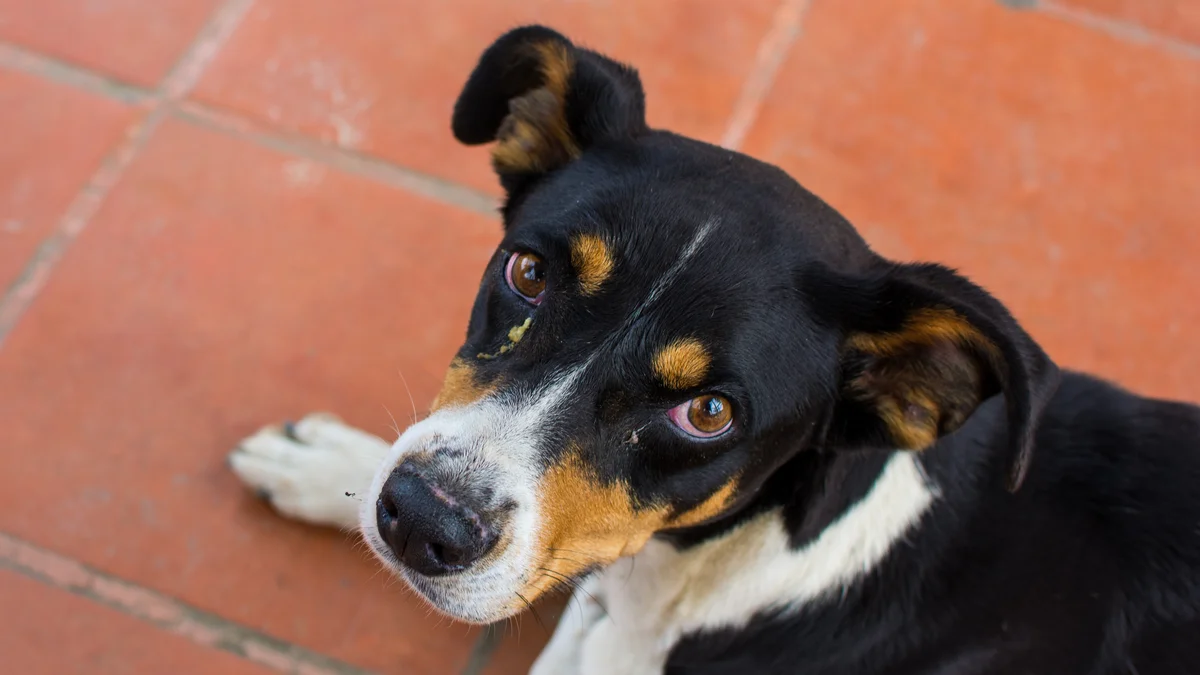
High-value treats like dried liver paired with novel squeak sounds trigger inquisitive head tilts. Avoid repetitive noise making, which quickly desensitizes dogs. Make a single soft bird call or squeak right before pressing the shutter to capture alert expressions.
Expressions define great dog portraits. An inquisitive head tilt, perk ears, and bright eyes turn a standard dog photo into an unforgettable memory. Work closely with an assistant or dog owner who can hold treats directly above your lens barrel.
Patience pays off. Consider these proven reward triggers during outdoor shoots:
- Hold a small squeaker toy behind your camera body to draw direct eye alignment.
- Make soft whistling or chirping noises only when your composition is fully set.
- Reward alert behavior frequently with small, non-greasy treats to sustain motivation.
- Allow frequent play breaks every ten minutes so your dog stays relaxed and eager.
How Can You Ensure Safety During Off-Leash Action Shoots?
Ensure outdoor safety by choosing fully fenced fields, monitoring ambient temperatures, and using thin long-line safety leashes. Never shoot near unfenced roads. Keep water bowls accessible and pause shoots immediately if your dog displays heavy panting.
Safety comes first on every photo shoot. Energetic dogs can easily get distracted by wildlife, scent trails, or passing vehicles. Using a lightweight 15-foot biothane safety leash allows your dog freedom to run naturally while maintaining full physical security.
Heat stress is a serious concern during sunny outdoor sessions. Dogs heat up rapidly while sprinting. Schedule outdoor action shoots for early morning hours when grass is cool and air temperatures remain mild. Always carry clean fresh water and a collapsible bowl in your camera pack.
Field Checklist for Action Dog Photography Shoots
Before heading out to photograph active dogs, review this practical operational checklist:
- Pack safety gear: Bring a long safety lead, collapsible water bowl, and high-reward treats.
- Set fast shutter speed: Dial in 1/1600s minimum speed for sprinting dogs in open light.
- Enable continuous focus: Turn on Animal Eye AF and continuous burst mode.
- Scout open shade: Identify shaded park areas to avoid harsh noon light contrast.
- Get low: Crouch down or rest on your elbow to lock in ground-level perspective.
Frequently Asked Questions
How can I get my dog to look at the camera?
Hold a favorite toy or high-value treat directly above your lens hood. Making quick squeak sounds or soft whistling noises encourages curious eye contact and natural head tilts.
What camera settings work best for running dogs?
Set your camera to Shutter Priority mode with a shutter speed of 1/1600s or faster. Enable continuous autofocus (AF-C) and Animal Eye Auto-Focus to track motion smoothly.
Why are my outdoor dog photos blurry?
Blur happens when shutter speed drops below 1/1000s during motion, or when focus locks on the dog’s nose instead of the eyes. Raising shutter speed eliminates motion blur.
How do I take good dog photos with a smartphone?
Crouch down to chest level, tap your phone screen directly on your dog’s eye to lock focus, and use Portrait Mode in open shade for soft background blur.
Is outdoor sun or shade better for pet photography?
Open shade provides balanced, soft light that prevents harsh shadows around your dog’s eyes. Direct midday sunlight squinting and blown-out fur highlights.