
Quick Field Answer: Shutter Speed Settings for Animals
Selecting the right shutter speed depends on subject motion velocity. Use 1/125s for sleeping indoor pets, 1/1000s for walking wildlife, 1/1600s for sprinting dogs, and 1/3200s to freeze flying songbirds. Pair fast shutter speeds with Auto ISO to maintain balanced exposure across shifting outdoor light conditions.
Shutter Speed for Animals: 5 Action Rules & Data Table
Table of Contents
- What Is Shutter Speed in Animal Photography?
- Shutter Speed Field Reference Data Table
- How Can You Freeze Fast Wildlife Motion with Shutter Speed?
- Which Shutter Speed Choice Fits Indoor Pet Portraits?
- Why Apply Slow Shutter Speed Settings for Panning Blur?
- How Does Shutter Speed Combine with Auto ISO and Aperture?
- Field Checklist for Outdoor Wildlife Sessions
- Frequently Asked Questions
What Is Shutter Speed in Animal Photography?
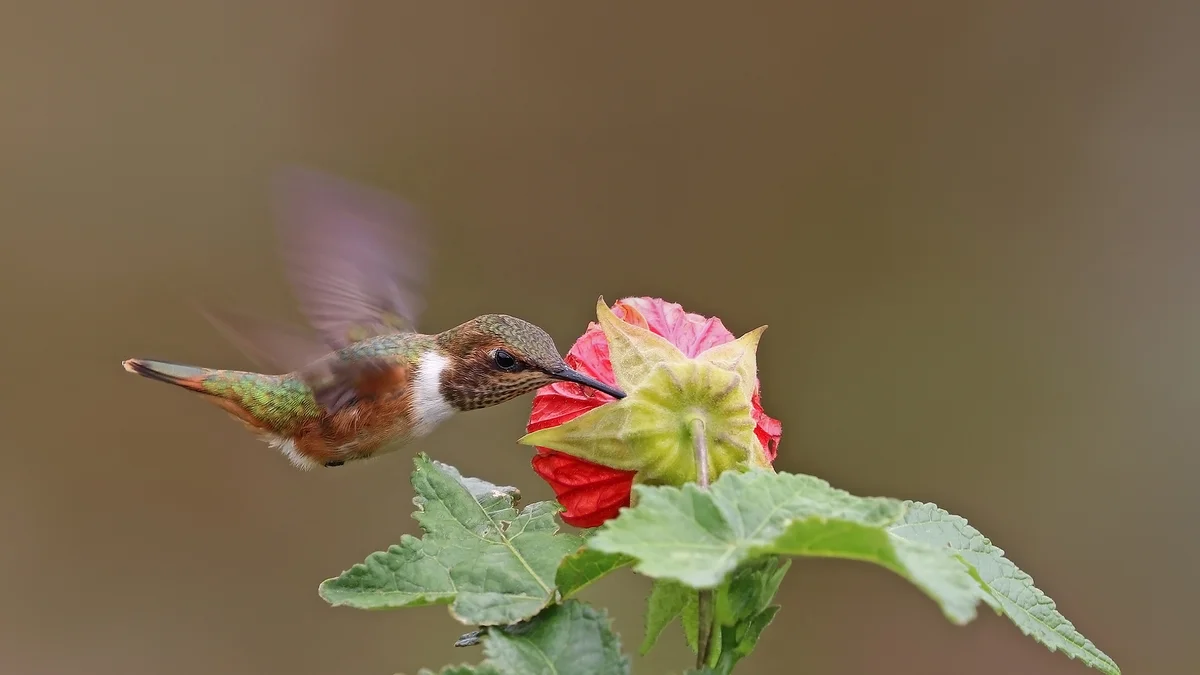
Shutter speed measures the duration your camera sensor is exposed to incoming light. In animal photography, shutter speed controls whether fast leg movement or wingbeats appear crisp or blurry. Faster speeds freeze rapid animal action, while slower speeds allow light collection in dim field conditions.
Speed matters. When working with unpredictable subjects like songbirds, domestic dogs, or wild squirrels, shutter speed serves as your primary defense against unwanted motion blur. Animals move without warning. A dog resting on a lawn can leap after a ball in a fraction of a second. If your dial remains set for static portraits, that sudden movement results in a soft, unusable image. Action demands instant readiness.
Understanding how duration affects exposure is essential when mastering broader camera settings guides. Every fraction of a second determines how much movement your camera records across the frame. Shutter speed directly impacts your ability to capture intricate texture details, such as individual fur strands or delicate feather barbules. During intense field tests, we observed that setting a fast shutter speed transformed ordinary backyard snapshots into razor-sharp portraits. It works reliably!
Selecting improper speed values causes subtle motion blur that ruins otherwise perfect compositions. High resolution sensors amplify small tracking errors. A fast shutter speed eliminates these micro-jitters, ensuring every shot delivers crisp detail across the animal’s eyes and snout. Test it yourself in bright sunlight.
Shutter Speed Field Reference Data Table
Field conditions change rapidly. Use this reference data table to quickly select appropriate shutter speed starting points based on subject activity and movement speed:
| Animal Subject | Activity Level | Recommended Shutter Speed | Exposure & ISO Notes |
|---|---|---|---|
| Sleeping Pet (Cat/Dog) | Stationary / Resting | 1/125s – 1/250s | Keeps ISO low indoors; tripod optional for steady shots. |
| Walking Wildlife / Pet | Slow Motion / Foraging | 1/500s – 1/800s | Balances sharpness while preserving moderate depth of field. |
| Running Dog / Active Pet | Fast Sprint / Leaping | 1/1600s – 1/2000s | Freezes leg movement and water splashes outdoors. |
| Perched Songbird | Head Turns / Tail Flicks | 1/1000s – 1/1600s | Prevents micro-blur during sudden head adjustments. |
| Flying Bird / Raptor | High Velocity Flight | 1/2500s – 1/4000s | Essential for locking wingtip clarity; requires open light. |
| Action Panning Shot | Creative Motion Blur | 1/30s – 1/60s | Smooth camera tracking required; background blurs while eye stays sharp. |
How Can You Freeze Fast Wildlife Motion with Shutter Speed?
Freezing fast wildlife motion requires setting a shutter speed of 1/1600s for running quadrupeds and up to 1/4000s for airborne birds. High shutter speeds stop rapid leg and wing velocity, converting chaotic field movement into sharp, detailed wildlife images.
Preparation counts. To achieve sharp action photos outdoors, dial in your shutter speed before approaching active subjects. Fast movement demands high shutter values because even a millisecond of motion during exposure causes soft edges along paws or wing tips. When photographing active birds, review specialized bird photography field techniques to align your tracking speed with your shutter settings.
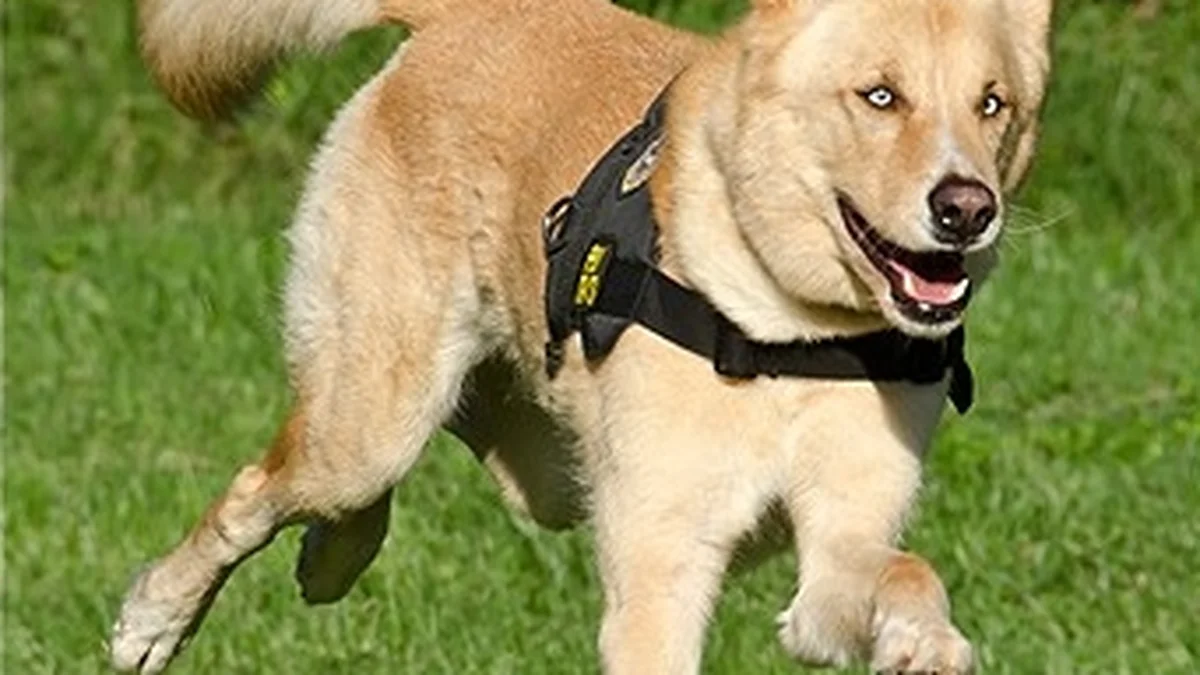
When photographing wild animals sprinting across open fields, distance plays an important role. An animal running perpendicular to your lens across the frame appears to move much faster than one moving directly toward you. Adjust your shutter speed higher when subjects cross your line of sight laterally to counteract this relative speed difference. We routinely use 1/2000s when dogs chase frisbees across open grass, ensuring complete motion freeze across paws and tail movement. Sharpness wins every single time!
Remember that fast shutter speed choices restrict light entry into the camera. In shady forests or under heavily overcast sky conditions, pairing high shutter speeds with wide lens apertures keeps exposures perfectly balanced without sacrificing pinpoint focus accuracy.
Which Shutter Speed Choice Fits Indoor Pet Portraits?
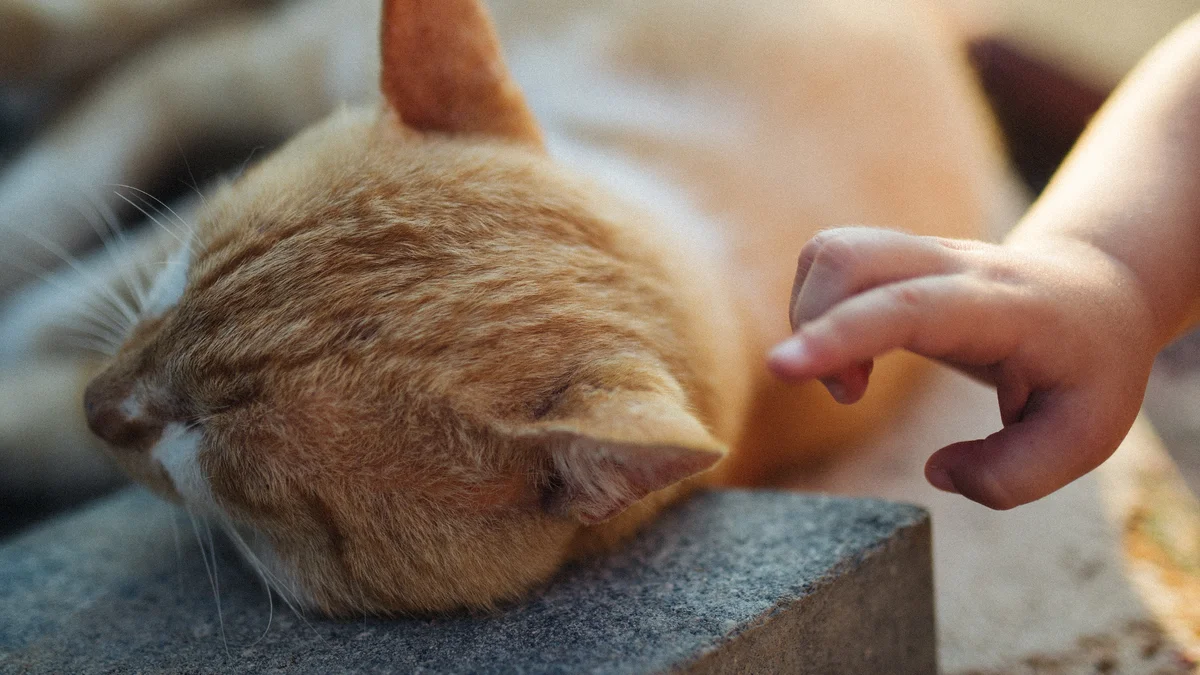
The best shutter speed for indoor pet portraits ranges between 1/125s and 1/250s for stationary animals. Lower shutter speeds allow adequate ambient light onto the camera sensor inside rooms, keeping ISO settings low to minimize digital noise while maintaining image clarity.
Lighting varies indoors. Indoor pet photography presents unique lighting challenges because window light is often dim and overhead home lamps rarely provide enough intensity for high-speed action shutter settings. If your dog or cat is resting quietly on a rug, setting your shutter speed to 1/160s provides enough stability to handhold your camera safely without introducing hand-shake blur.
When working in low-light indoor environments, remember the fundamentals of exposure triangle balance. Setting a slower shutter speed permits more light to reach the sensor, which prevents your camera from boosting ISO into noisy, grainy territories. If your pet wakes up or starts playing indoors, raise your shutter speed to 1/500s immediately to avoid motion blur across their face and whiskers. Quick adjustments save shots!
Indoor sessions benefit immensely from strategic window light alignment. Positioning your pet parallel to natural sunlight lets you shoot cleanly at 1/250s at ISO 400, capturing subtle fur textures without relying on harsh artificial electronic flash units.
Why Apply Slow Shutter Speed Settings for Panning Blur?
Use slow shutter speed settings between 1/30s and 1/60s when you want to create artistic panning motion blur. By matching your camera movement to the speed of a running animal, the subject stays relatively sharp while the background blurs into horizontal streaks.
Blur creates mood. Intentional motion blur offers a creative contrast to standard freeze-frame action shots. Panning requires practicing smooth upper-body rotation while keeping your camera locked on the subject’s eye. As a running dog or fleeing deer moves across your field of view, track its movement smoothly while holding down the shutter release button.
Mastering this technique takes patience and practice in the field. Out of a burst of ten panning frames, two or three may hit perfect focus on the animal’s face while turning grassy backgrounds into beautiful, soft streaks of color. This artistic approach works exceptionally well during golden hour when background highlights stretch into smooth horizontal bands.
Consider these core operational guidelines for intentional panning with animals:
- Select a shutter speed between 1/30s and 1/60s depending on running speed.
- Set continuous autofocus (AF-C or AI Servo) to maintain tracking lock.
- Smoothly pivot your torso from left to right as the animal crosses your frame.
- Press the shutter in burst mode while keeping camera motion perfectly fluid.
How Does Shutter Speed Combine with Auto ISO and Aperture?
Shutter speed interacts with aperture and ISO to dictate total exposure. In Shutter Priority mode (Tv/S), you set the required speed while your camera automatically calculates the matching aperture and ISO. Using Auto ISO with a minimum shutter speed threshold maintains exposure consistency under changing clouds.
Clouds move fast. Field light shifts continuously as clouds pass overhead or animals run between bright glades and deep woodland shadows. Relying on full manual mode can lead to missed photo opportunities while you manually turn exposure dials. Setting your camera to Shutter Priority mode or utilizing Auto ISO allows you to lock in your desired action shutter speed without worrying about under-exposure.
Modern mirrorless and DSLR cameras feature custom Auto ISO settings where you can set a minimum shutter speed limit (such as 1/1000s). This safety setting ensures that even if light drops rapidly, your camera will automatically raise ISO rather than letting the shutter speed drop into motion blur territory.
Field Checklist for Outdoor Wildlife Sessions
Before heading into the field for wildlife or pet photography sessions, run through this quick operational checklist to lock in optimal exposure and sharpness:
- Check ambient light level: Bright sun allows 1/2000s at ISO 200; overcast conditions require ISO 800 for the same shutter speed.
- Identify subject velocity: Determine if your subject is perching, trotting, or sprinting.
- Set minimum speed guardrail: Program Auto ISO to never drop below 1/1000s for active animals.
- Choose shutter mode: Use mechanical shutter for high-speed action to eliminate rolling shutter distortion.
- Test single-burst sequence: Take a 3-frame test burst to confirm absence of micro motion blur.
Frequently Asked Questions
What shutter speed freezes a running dog in action?
A shutter speed of 1/1600s or faster is ideal for freezing a running dog in outdoor light. For large dogs running directly toward the lens, 1/2000s ensures sharp facial features and eye clarity.
Why are my bird photography shots blurry at 1/500s?
At 1/500s, wing movement causes motion blur during flight or perching tail flicks. Songbird wingbeats require a minimum shutter speed of 1/2500s to 1/4000s for sharp feathers.
Can you use a slow shutter speed for animal photography?
Yes, slow shutter speed settings between 1/15s and 1/60s work for intentional panning shots. Panning tracks moving wildlife while blurring background vegetation to convey motion.
How does shutter speed impact photo noise in low light?
Selecting a fast shutter speed forces the camera to raise ISO in dim light, introducing digital grain. Balancing speed with wide apertures keeps ISO low while maintaining subject sharpness.
Should I use electronic shutter or mechanical shutter for wildlife?
Mechanical shutters avoid rolling shutter distortion on fast-moving wings. Electronic shutters offer silent shooting, preventing skittish animals from startling during burst capture.